
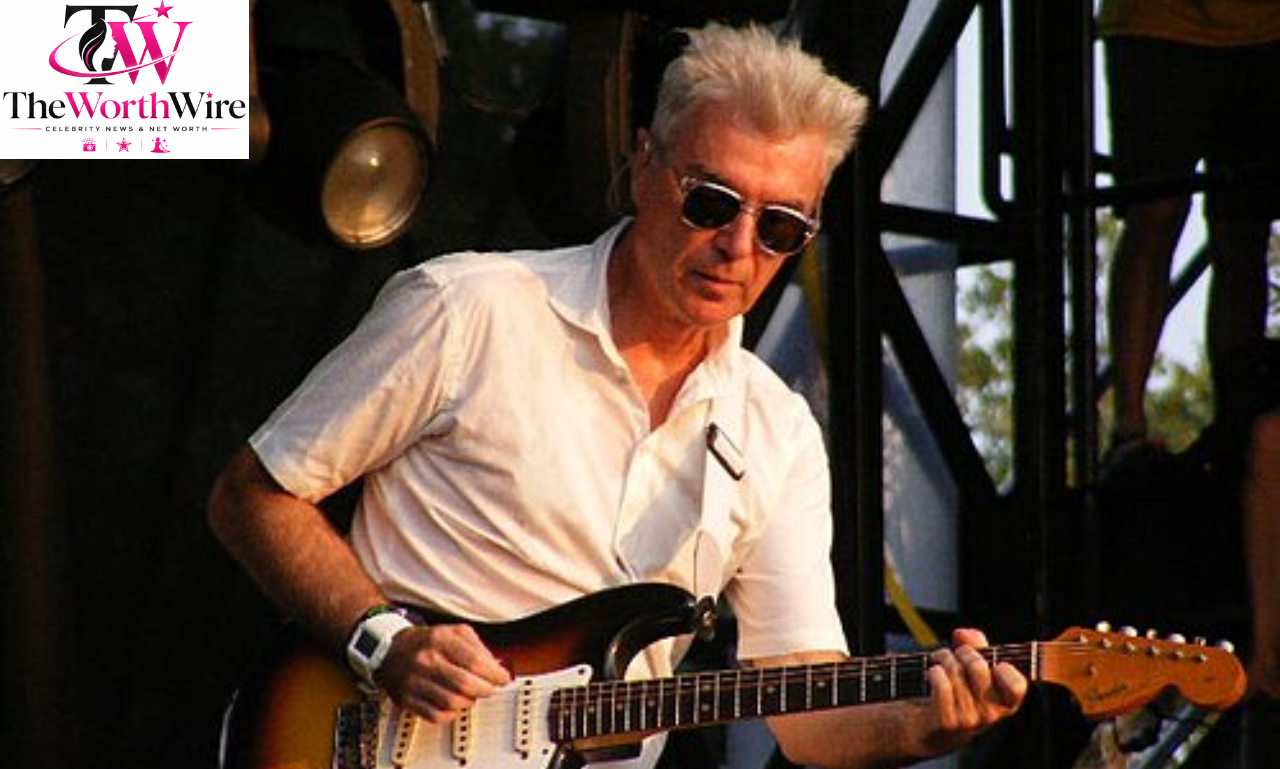
David Byrne’s net worth is widely estimated to be around $60 million, although his exact personal wealth has never been publicly confirmed through audited financial records. The Scottish-American musician, singer, songwriter, composer, producer, filmmaker, author, and visual artist has built his fortune over more than five decades of creative work.
David Byrne first became internationally recognized as the lead vocalist and a founding member of Talking Heads, one of the most influential bands to emerge from the New York music scene in the late 1970s. The band’s innovative combination of new wave, art rock, funk, punk, and international musical influences established Byrne as a highly distinctive figure in popular music.
However, his career did not end with Talking Heads. Byrne successfully developed a solo career and expanded into filmmaking, theater, visual art, writing, music production, and entrepreneurship. He also founded the record label Luaka Bop, further strengthening his position within the international music industry.
His long career has created several potential sources of wealth, including music royalties, songwriting, publishing, live performances, album sales, licensing, film projects, theater productions, and business interests. His work with Talking Heads, especially albums such as Remain in Light, and projects such as Stop Making Sense and American Utopia, have helped maintain his cultural and commercial relevance across generations.
In this article, we explore David Byrne’s estimated net worth, income sources, early life, education, career journey, achievements, assets, lifestyle, personal life, and wealth growth.
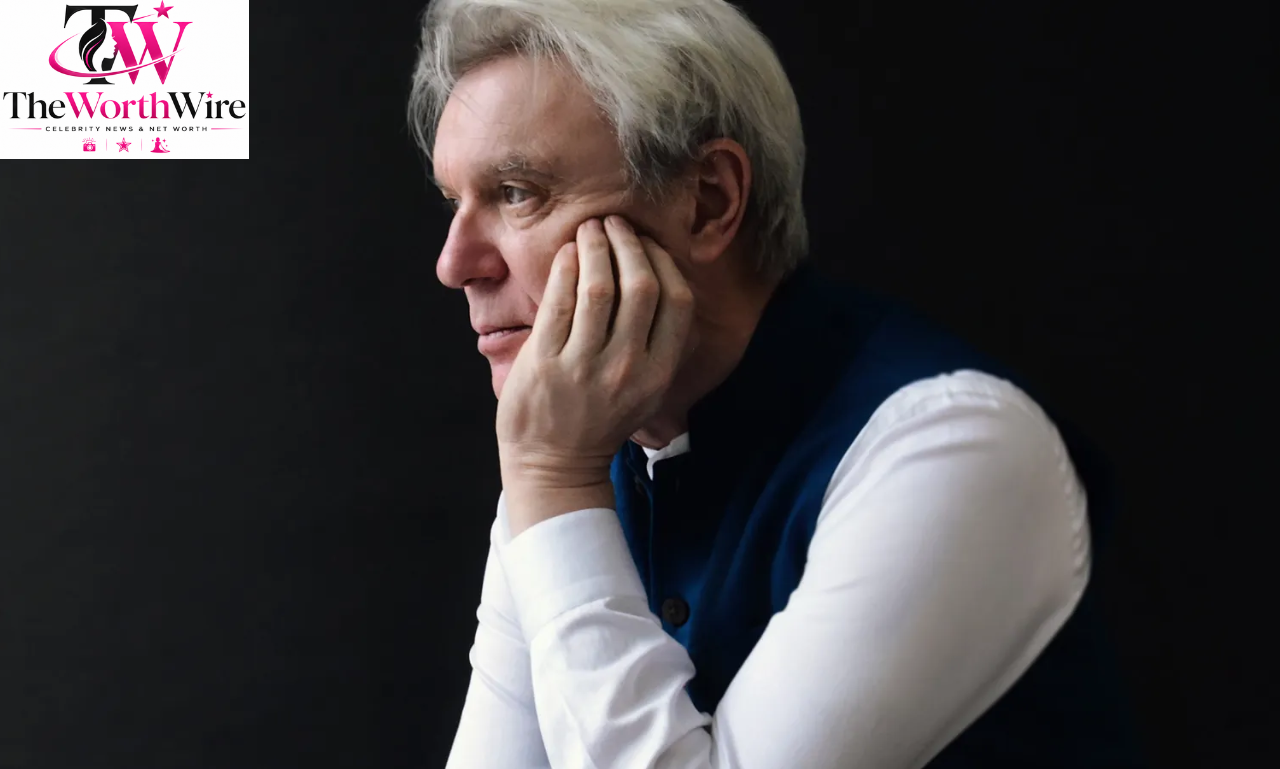
Quick Facts About David Byrne
| Category | Details |
| Full Name | David Byrne |
| Age | 74 years old as of 2026 |
| Birth Date | May 14, 1952 |
| Birthplace | Dumbarton, Scotland |
| Nationality | Scottish-American |
| Profession | Musician, Singer, Songwriter, Composer, Producer, Filmmaker, Author, Artist |
| Famous For | Talking Heads |
| Estimated Net Worth | Approximately $60 million |
| Marital Status | Divorced |
| Ex-Spouse | Adelle Lutz |
| Children | One daughter |
| Known For | Music, Film, Theater, Art, Writing |
| Major Projects | Talking Heads, Stop Making Sense, American Utopia, Luaka Bop |
Net Worth Disclaimer: David Byrne’s exact net worth is not publicly verified. The approximately $60 million figure is a commonly reported estimate and should not be considered an audited statement of his personal finances.
David Byrne Net Worth
David Byrne’s estimated net worth is approximately $60 million. His wealth has been accumulated through a remarkably diverse career that extends far beyond his work as a musician.
Unlike entertainers who depend primarily on acting salaries or concert appearances, Byrne has developed a broad creative portfolio. His financial profile includes decades of recorded music, songwriting, music publishing, live performances, collaborations, film projects, theatrical productions, and entrepreneurial activities.
The foundation of his wealth can be traced to Talking Heads, the band he co-founded with Chris Frantz, Tina Weymouth, and Jerry Harrison. The group became internationally successful and established a valuable music catalog that continues to attract listeners decades after its original releases.
Albums such as Talking Heads: 77, Fear of Music, Remain in Light, Speaking in Tongues, and Little Creatures contributed to the band’s long-term legacy.
The band’s music has continued to generate attention through streaming platforms, reissues, licensing, film appearances, and renewed interest from younger audiences.
How David Byrne Built His Wealth
David Byrne’s financial success developed through several major stages.
His first major breakthrough came with Talking Heads. The band’s growing popularity created income through record sales, touring, publishing, and royalties.
After Talking Heads ended, Byrne continued building his individual career. His solo albums and collaborations allowed him to establish an independent identity while continuing to benefit from his established reputation.
His involvement in film added another dimension to his career. He worked on projects including True Stories and became closely associated with the acclaimed concert film Stop Making Sense.
Byrne also founded Luaka Bop, a record label that became known for introducing audiences to distinctive international and alternative music.
Later in his career, his involvement with American Utopia demonstrated his ability to transform his musical work into a theatrical experience. The production’s success on Broadway expanded his career into another major entertainment market.
The Role of Music Royalties
For an artist with a career spanning more than five decades, music royalties can represent an important source of long-term income.
David Byrne’s potential royalty-related revenue may come from:
- Songwriting
- Music publishing
- Recorded music
- Streaming
- Radio performances
- Licensing
- Film and television placements
- Album reissues
- Digital music sales
However, the precise amount Byrne earns from these sources is private and cannot be accurately calculated from publicly available information.
David Byrne’s Financial Growth
One of the most important factors behind Byrne’s estimated wealth is career longevity.
He has remained professionally active across multiple generations. His work has repeatedly found new audiences through streaming, reissues, documentaries, concert films, theatrical productions, and renewed interest in Talking Heads.
This creates a financial advantage because an artist’s catalog can continue producing value long after the original music was released.
David Byrne Income Sources
David Byrne has developed multiple potential income streams throughout his career. While exact annual earnings are not publicly disclosed, his professional portfolio provides insight into how his wealth has been generated.
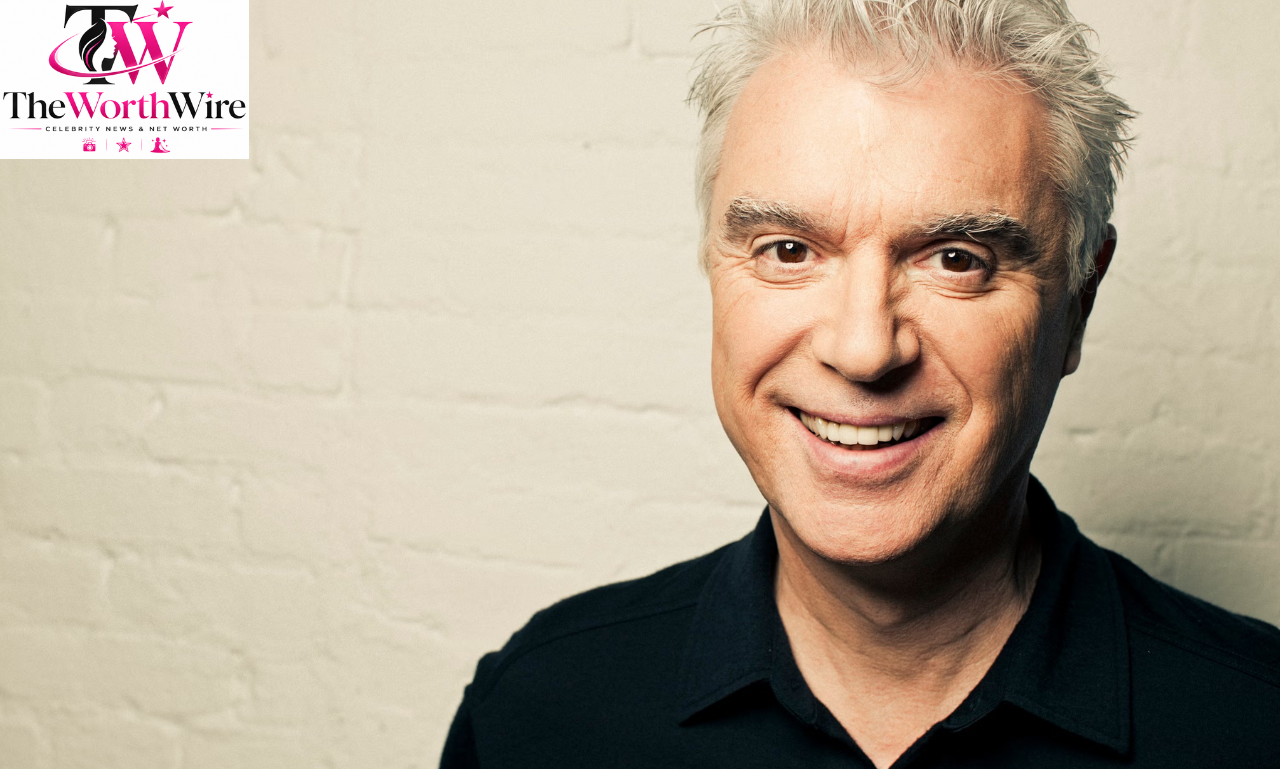
Music Income
Music has been the foundation of Byrne’s career and remains one of his most important professional income sources.
His music-related earnings have potentially come from:
- Talking Heads recordings
- Solo albums
- Collaborative projects
- Live performances
- Streaming
- Digital music
- Physical album sales
- Licensing
- Publishing
The continued popularity of Talking Heads has helped preserve the commercial value of the band’s music.
Songwriting Royalties
Songwriting can become a powerful long-term income source for successful musicians.
As a songwriter associated with Talking Heads and numerous solo and collaborative projects, Byrne has participated in creating music that continues to be performed, streamed, licensed, and distributed.
The amount of money he personally receives from songwriting depends on individual songwriting credits, publishing agreements, ownership structures, and contractual arrangements.
Touring Income
Live performances have played an important role in Byrne’s career.
His income from performances may include:
- Concert ticket revenue
- Performance fees
- Touring arrangements
- Merchandise
- Special performances
- Theater productions
His later work, particularly American Utopia, demonstrated how live music could be transformed into a large-scale theatrical production.
Film Income
David Byrne has worked across several areas of filmmaking.
His film-related career has included directing, writing, acting, composing, and music-related contributions.
His involvement with True Stories and Stop Making Sense demonstrates his interest in cinema as an extension of his musical and artistic work.
Film projects can create income through production fees, music licensing, soundtrack rights, and other contractual arrangements.
Theater and Broadway Income
American Utopia became one of Byrne’s most significant later-career projects.
The production began as a touring performance before reaching Broadway, creating new opportunities within the theater industry.
Potential revenue from a major theatrical project can come from:
- Ticket sales
- Performance agreements
- Production arrangements
- Touring productions
- Cast recordings
- Licensing
It is important to remember that gross ticket sales are not the same as an artist’s personal earnings because theatrical productions involve substantial operating and production expenses.
Business Ventures
One of Byrne’s most notable business ventures is Luaka Bop, the record label he founded.
The label became recognized for its international and alternative music releases, giving Byrne an additional role as a music entrepreneur and curator.
This venture also reflects his broader interest in bringing artists and musical traditions to wider audiences.
Brand Endorsements
Brand endorsements do not appear to be a major publicly documented component of Byrne’s wealth.
Unlike many modern celebrities who build substantial fortunes through advertising partnerships, Byrne’s professional identity has remained primarily connected to music, art, film, theater, and independent creative work.
Therefore, it would be inaccurate to assign a specific endorsement income figure without reliable evidence.
Investments
David Byrne’s private investment portfolio is not publicly documented in enough detail to determine how much of his wealth comes from investments.
It is possible that his overall financial position includes traditional investments or other private assets, but specific claims should not be presented as confirmed facts without reliable documentation.
Social Media Earnings
Social media does not appear to be a major source of David Byrne’s wealth.
His digital presence is primarily connected with communicating about his music, artistic projects, performances, and creative work rather than influencer-style sponsorships.
Compared with his music catalog and decades-long creative career, social media earnings are unlikely to represent a significant part of his overall financial profile.
Early Life and Education
David Byrne was born on May 14, 1952, in Dumbarton, Scotland.
When he was young, his family moved to Canada, where he spent part of his childhood before eventually becoming closely connected with the United States.
His multicultural experiences and exposure to different environments contributed to the broad artistic perspective that later became a defining part of his career.
Byrne eventually became involved with the creative community surrounding New York City, where he encountered a growing experimental music and art scene.
He studied at the Rhode Island School of Design and later attended the Maryland Institute College of Art.
Although his formal education did not follow a conventional path toward a music career, his background in visual art and design had a noticeable influence on his later work.
Byrne has consistently approached music as a multidisciplinary form of expression. His performances often incorporate elements of movement, architecture, lighting, costume, and visual design.
This artistic background helps explain why his career has extended into film, theater, writing, and visual art.
Career Journey
1970s: The Beginning of Talking Heads
David Byrne’s professional breakthrough came with the formation of Talking Heads.
The band emerged from New York City’s influential downtown music scene and became associated with the legendary CBGB environment.
Byrne served as the band’s lead vocalist and became one of its principal creative forces.
The group’s original lineup included:
- David Byrne
- Chris Frantz
- Tina Weymouth
- Jerry Harrison
Their distinctive sound helped define the emerging new wave movement.
1977: Talking Heads’ Debut
Talking Heads released their debut album, Talking Heads: 77.
The album introduced listeners to the band’s unusual blend of punk energy, art rock, and Byrne’s distinctive songwriting.
The song “Psycho Killer” became one of the band’s best-known tracks and remains closely associated with Byrne.
Late 1970s: Growing Success
The band’s second album, More Songs About Buildings and Food, continued their development.
Their collaboration with producer and musician Brian Eno became particularly important to Byrne’s career.
This creative relationship helped the band explore more experimental sounds.
1979: Fear of Music
Fear of Music continued Talking Heads’ artistic evolution.
The album demonstrated the band’s willingness to move beyond straightforward rock and experiment with rhythm, sound, and unconventional songwriting.
1980: Remain in Light
Remain in Light became one of the most important albums associated with Talking Heads.
The record incorporated elements of funk, electronic music, polyrhythms, and African musical influences.
The collaboration between Byrne and Brian Eno became especially influential during this period.
The album helped establish Byrne as an artist willing to experiment with different musical traditions.
1980s: Mainstream Recognition
Talking Heads continued releasing successful albums and touring internationally.
Their popularity increased while their music remained artistically ambitious.
The band successfully balanced commercial recognition with experimentation, a combination that contributed significantly to its long-term legacy.
1984: Stop Making Sense
One of the most important moments in Byrne’s career came with Stop Making Sense.
Directed by Jonathan Demme, the concert film captured Talking Heads during their live performances and became one of the most celebrated music films ever produced.
The movie’s distinctive visual style and innovative stage presentation helped introduce Talking Heads to a much broader audience.
Its continuing popularity has contributed to the band’s enduring cultural relevance.
1986: True Stories
Byrne also explored filmmaking with True Stories.
The film reflected his fascination with American life, architecture, music, community, and visual storytelling.
It further established him as an artist who could move between different creative disciplines.
Late 1980s: End of Talking Heads
Talking Heads eventually ended their run as a band.
However, the conclusion of the group did not mark the end of Byrne’s career.
Instead, it opened the door for an increasingly diverse solo and collaborative career.
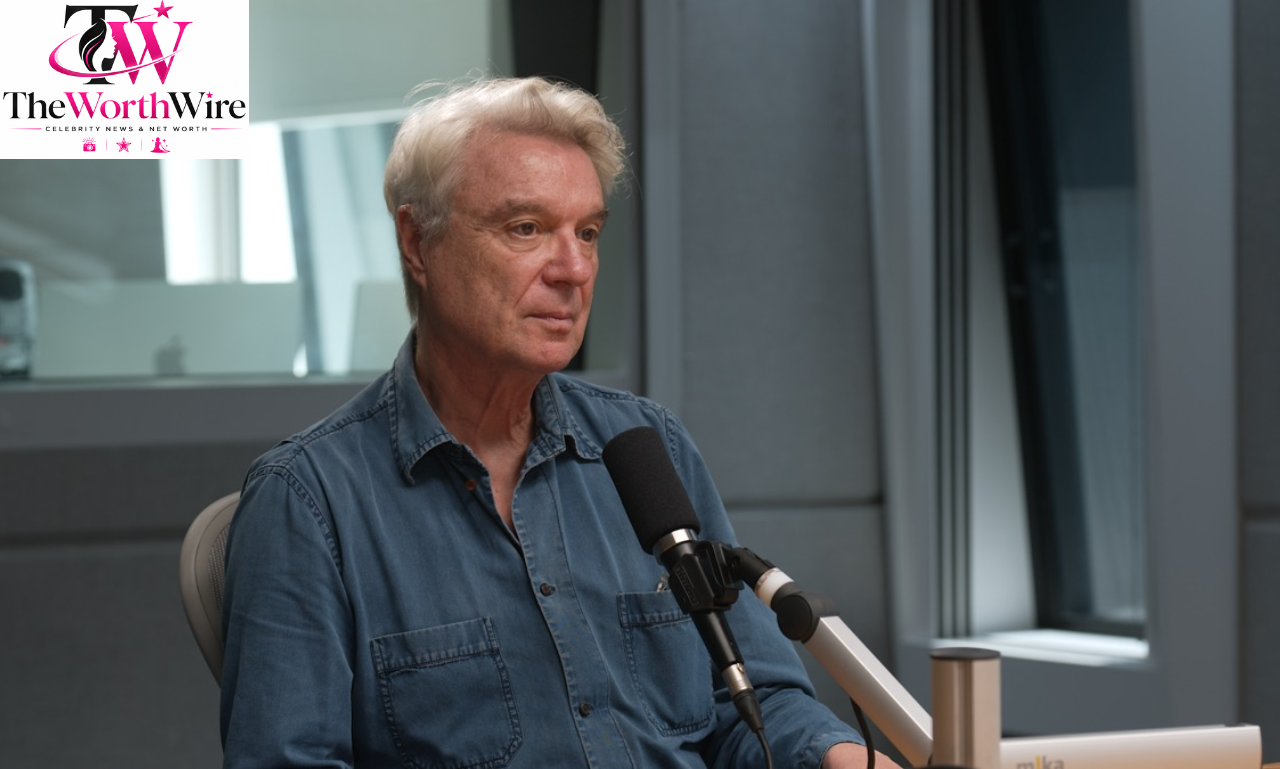
1990s: Solo Career
Following Talking Heads, Byrne continued releasing solo music.
His individual work allowed him to experiment with different sounds and collaborate with musicians from various backgrounds.
He increasingly explored international music and cultural influences.
Luaka Bop
During his career, Byrne became involved in music entrepreneurship through Luaka Bop.
The label developed a reputation for presenting distinctive artists and international musical styles to wider audiences.
This work expanded Byrne’s influence from performer to curator and music-business figure.
2000s: Multidisciplinary Creativity
During the 2000s, Byrne continued to work across multiple fields.
His projects included:
- Music
- Writing
- Film
- Visual art
- Performance
- Production
- International collaborations
This period reinforced his reputation as one of the most multidisciplinary artists in contemporary popular culture.
2010s: American Utopia
Byrne’s American Utopia became a major milestone in his later career.
The project combined music, movement, choreography, and theatrical design.
It eventually reached Broadway, where it introduced Byrne’s creative vision to a theater audience.
The success of the production showed that his work could continue evolving beyond traditional concerts and albums.
2020s: Continuing Legacy
In the 2020s, Byrne’s music continued to attract attention from both longtime fans and younger listeners.
The continuing popularity of Talking Heads, Stop Making Sense, and his solo work has helped maintain the value and relevance of his creative catalog.
His career remains an example of how an artist can build a lasting legacy by continuously exploring new forms of expression.
Major Achievements
David Byrne’s career includes numerous achievements across music, film, theater, and popular culture.
Talking Heads Legacy
Talking Heads became one of the most influential bands associated with new wave and alternative music.
Their experimental approach influenced generations of musicians and artists.
Rock and Roll Hall of Fame
Talking Heads were inducted into the Rock and Roll Hall of Fame, recognizing their significant contribution to music history.
Grammy Recognition
Byrne has received recognition from the Grammy Awards during his career, including acknowledgment for collaborative musical projects.
Academy Award Recognition
His work connected to film music and songwriting also brought recognition from the Academy Awards.
Broadway Success
American Utopia became a major theatrical achievement and earned recognition during its Broadway run.
Stop Making Sense
The concert film remains a landmark in music cinema.
Its influence extends beyond Talking Heads and has helped shape how concert films can combine music, performance, cinematography, and storytelling.
International Musical Influence
Byrne has played an important role in introducing audiences to musical traditions from around the world.
His work has consistently demonstrated an interest in cultural exchange and musical experimentation.
Assets and Lifestyle
David Byrne’s public image is quite different from that of celebrities who frequently display luxury lifestyles.
His career has generally been associated with creativity, intellectual curiosity, art, architecture, and music rather than conspicuous consumption.
Real Estate
Information about David Byrne’s complete real estate holdings is not publicly available.
Although he has been associated with major cities and creative communities, it would be speculative to provide exact figures for his private property holdings without reliable evidence.
Music Catalog
One of Byrne’s most important professional assets is the value associated with his extensive body of creative work.
This includes music connected with:
- Talking Heads
- Solo albums
- Collaborations
- Songwriting
- Film
- Theater
Intellectual property can represent significant long-term value because successful creative works may continue generating revenue for many years.
Artistic Assets
Byrne’s creative portfolio extends beyond music.
His work in writing, visual art, filmmaking, and theater represents another important part of his professional legacy.
Lifestyle
Byrne has generally maintained a relatively understated public image.
Rather than focusing heavily on luxury displays, his public identity has centered on creativity and artistic exploration.
His lifestyle appears consistent with his reputation as an artist who values ideas, experimentation, and cultural discovery.
Personal Life
David Byrne has generally kept his personal life more private than many other internationally recognized entertainers.
He was previously married to Adelle Lutz, a costume designer known for her work in film and fashion.
The couple have one daughter.
Although Byrne’s relationships have sometimes attracted public interest, his professional achievements have remained the main focus of his public identity.
His career demonstrates a clear separation between his artistic work and his private life.
David Byrne Net Worth Growth Timeline
| Period | Major Career Development | Impact on Wealth |
| 1970s | Formation and rise of Talking Heads | Established music career and initial earnings |
| Late 1970s | Successful debut and growing popularity | Increased recording and performance income |
| 1980s | Major albums and international recognition | Strong growth in catalog and royalty potential |
| 1984 | Stop Making Sense | Expanded long-term cultural and commercial value |
| 1980s–1990s | Solo career and collaborations | Diversified professional income |
| 1990s | Luaka Bop and international music projects | Expanded entrepreneurial opportunities |
| 2000s | Film, art, music, and writing | Broadened creative revenue portfolio |
| 2010s | American Utopia and major performances | Added touring and theater opportunities |
| 2020s | Continued catalog interest and artistic projects | Sustained long-term intellectual-property value |
| 2026 | More than five decades in entertainment | Estimated net worth commonly reported around $60 million |
The timeline above represents a general career-based wealth progression rather than verified annual financial statements. Byrne’s exact net worth at any individual point in his career is not publicly available.
Interesting Facts About David Byrne
- David Byrne was born in Scotland and later became strongly connected with the American music and arts scene.
- He is best known as the lead singer and founding member of Talking Heads.
- Byrne’s artistic interests extend beyond music into film, theater, writing, and visual art.
- Remain in Light is considered one of Talking Heads’ most influential albums.
- Byrne worked closely with Brian Eno on several important musical projects.
- Stop Making Sense became one of the most celebrated concert films in music history.
- Byrne founded the record label Luaka Bop.
- He has explored international musical traditions throughout his career.
- His visual-art background influenced his approach to music performances and stage design.
- American Utopia successfully brought his music and performance style to Broadway.
- His career has lasted more than five decades.
- His estimated wealth comes from a combination of music, intellectual property, performances, creative projects, and entrepreneurial activities rather than from one single profession.
FAQs About David Byrne
What is David Byrne’s net worth?
David Byrne’s net worth is commonly estimated at approximately $60 million. However, this figure is not officially verified because his complete personal financial records are private.
How did David Byrne become famous?
David Byrne became famous as the lead vocalist and founding member of Talking Heads. The band’s innovative music and distinctive visual style helped make them one of the most influential groups of their generation.
How old is David Byrne?
David Byrne was born on May 14, 1952. He is 74 years old in 2026.
What band was David Byrne the lead singer of?
David Byrne was the lead singer and one of the founding members of Talking Heads.
What is David Byrne’s most famous song?
One of the songs most closely associated with David Byrne is “Psycho Killer,” which was released by Talking Heads and became one of the band’s signature tracks.
How does David Byrne make money?
David Byrne’s career income has come from music recordings, songwriting, royalties, publishing, touring, collaborations, film, theater, production, and entrepreneurial activities.
Is David Byrne still performing?
David Byrne has continued working on music and creative projects throughout his later career. His performance work, including projects connected with American Utopia, has remained an important part of his artistic identity.
Is David Byrne married?
David Byrne is divorced. He was previously married to Adelle Lutz, and they have one daughter.
What is David Byrne’s connection to Stop Making Sense?
David Byrne was a central performer in Stop Making Sense, the acclaimed concert film featuring Talking Heads. The movie was directed by Jonathan Demme.
What is Luaka Bop?
Luaka Bop is a record label founded by David Byrne. It became known for releasing distinctive music and introducing international artists to wider audiences.
Did David Byrne win major awards?
David Byrne and his work have received recognition across multiple areas of entertainment, including music, film, and theater. Talking Heads were inducted into the Rock and Roll Hall of Fame, while Byrne’s wider career has received recognition from major entertainment institutions.
Why is David Byrne important to music history?
David Byrne is important because he helped redefine what a popular musician could be. Through Talking Heads and his solo work, he combined new wave, art rock, funk, world music, visual art, and theatrical performance. His career has influenced musicians and artists across multiple generations.
Final Thoughts
David Byrne’s estimated $60 million net worth reflects the financial result of one of the most diverse and enduring careers in modern music.
His journey began with Talking Heads, a band that transformed the sound of new wave and alternative music. From there, Byrne built a successful solo career while exploring filmmaking, songwriting, visual art, international music, theater, and entrepreneurship.
The biggest factor behind his long-term financial success is diversification. Rather than relying on one source of income, Byrne developed a career involving music royalties, songwriting, touring, publishing, film, theater, collaborations, and business ventures.
His music catalog also provides an important long-term advantage. Songs and albums that remain culturally relevant can continue creating value through streaming, licensing, reissues, and other forms of distribution.
Projects such as Stop Making Sense and American Utopia further demonstrate Byrne’s ability to reinvent his work for new audiences.
Ultimately, David Byrne’s story is about more than a net-worth estimate. It is the story of an artist who successfully turned creativity into a lifelong career. His influence on music, film, theater, and contemporary culture has helped him remain relevant for more than five decades, making him one of the most distinctive and financially successful multidisciplinary artists of his generation.
You must read about: Anuar Zidan Net Worth: Career, Age & Personal Life